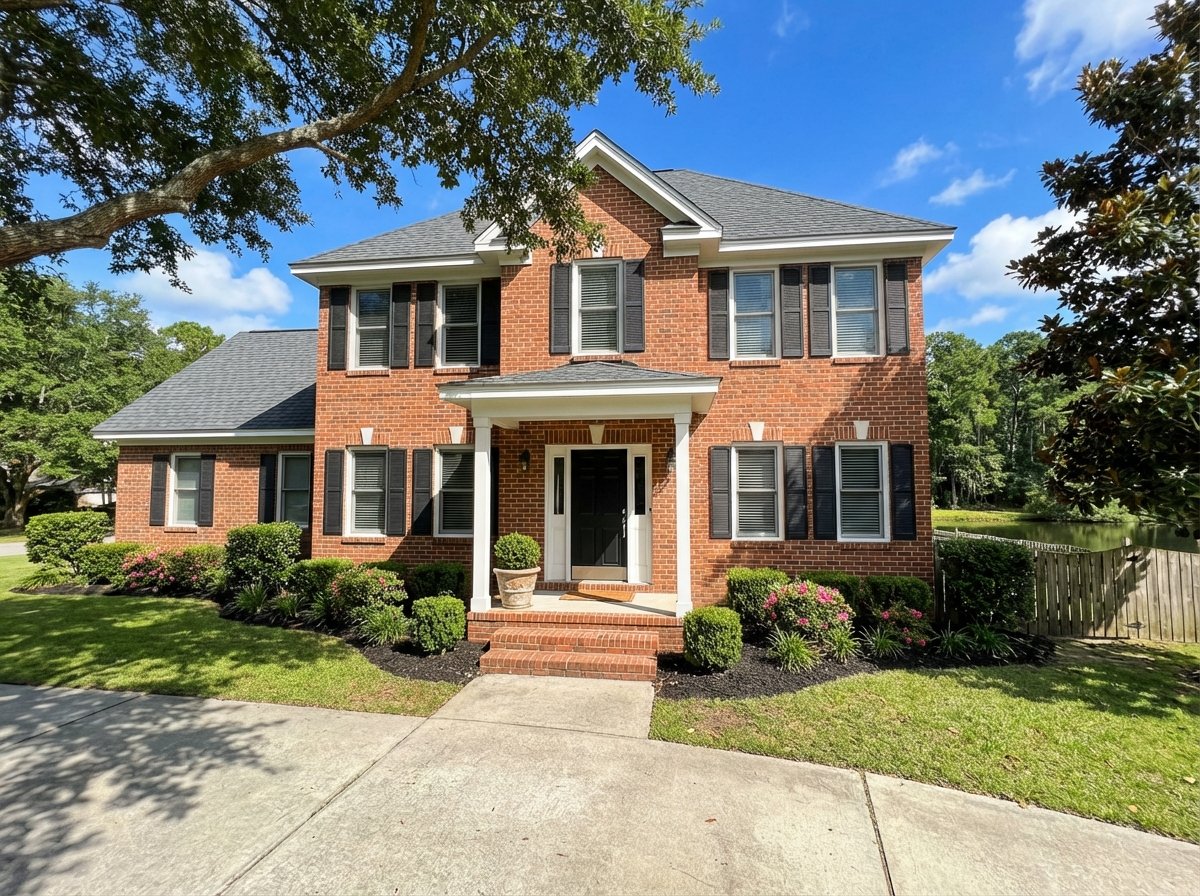
Buying a home in Hattiesburg and wondering how to lower your annual property taxes? If your new place will be your primary residence, Mississippi’s homestead exemption can take a meaningful bite out of your tax bill. You want clear steps, local timing, and what to do right after closing so you do not miss savings. This guide breaks down how the exemption works for buyers in 39406, West Hattiesburg, and Lake Serene, plus how to file in Forrest or Lamar County. Let’s dive in.
What the homestead exemption does
Mississippi’s homestead exemption reduces the taxable value of a home that you occupy as your primary residence. By lowering the taxable assessed value, your yearly ad valorem property tax goes down.
The exemption is created by state law and administered by each county’s tax assessor. Your tax bill still uses local millage rates for school, county, municipal, and special districts. The exemption does not change the tax rate. It reduces the portion of assessed value that gets taxed.
Who qualifies in Hattiesburg
To qualify, you must own the property and use it as your primary, permanent residence. Counties require proof that you live there.
Ownership can include title in your name or another qualifying interest. Some counties accept homes held in trust when the beneficiary occupies the property. Rules vary by county.
In many Mississippi counties, you file once and the exemption stays in place while you continue to live in the home. Some special situations may require re-certification. If ownership or occupancy changes, the exemption generally does not transfer to a new owner.
There are also other exemptions for specific categories such as seniors, totally disabled persons, disabled veterans, and certain surviving spouses. These have separate eligibility and documentation. Ask your county assessor which options apply to you.
Forrest vs. Lamar County
Hattiesburg neighborhoods near the county line, including parts of West Hattiesburg and Lake Serene, can sit in either Forrest County or Lamar County. The county on your recorded deed controls where you file and which millage rates apply.
- If the property is in Forrest County, you apply with the Forrest County Tax Assessor-Collector.
- If the property is in Lamar County, you apply with the Lamar County Tax Assessor.
Confirm the county from your deed or closing documents, then contact that county’s assessor for the current form, deadlines, and required documents.
When to file your exemption
File as soon as you close and establish occupancy. Many counties accept applications year-round, but some have deadlines to qualify for the current tax year. Because each county manages timing, you should verify the cutoff date with the assessor’s office in Forrest or Lamar.
If you buy late in the year, ask whether you can still receive the exemption for that tax year. Counties have different rules based on the ownership date, occupancy date, or an administrative deadline.
How to file in 5 steps
- Confirm the property’s county.
- Check your deed and closing documents to see whether you are in Forrest County or Lamar County.
- Gather your documents.
- Recorded deed or proof of ownership
- Government-issued photo ID with your new address
- Closing statement and your date you began living in the home
- Proof of primary residence such as a utility bill, voter registration, or updated driver’s license
- Social Security Number or last four digits if requested by the county
- Request the county’s application.
- Contact the assessor’s office for the correct homestead exemption form and any county-specific instructions.
- Submit your application promptly.
- File in person, by mail, or online if available. Ask for confirmation of receipt.
- Monitor your first tax bill.
- Watch for the exemption on your next property tax statement. If you do not see it, follow up with the assessor.
What happens after you file
The assessor reviews your application, verifies occupancy and ownership, and updates the assessment roll. If approved, the exemption reduces your taxable assessed value and your tax collector reflects the change on future bills.
If denied, the assessor will provide a reason and instructions to appeal or correct and resubmit. Keep copies of everything in your home file for easy reference.
How the savings are calculated
Your property tax comes from a few moving parts:
- Assessed value equals the county’s assessment ratio times market or appraised value
- Homestead exemption reduces assessed value by a fixed amount or a portion of value
- Taxable value equals assessed value minus the exemption
- Tax bill equals taxable value times the total millage rate
Hypothetical savings example
This is for illustration only. Your numbers will differ based on the county’s ratios, the exemption amount, and the total millage.
- Scenario: You buy a West Hattiesburg home for $200,000 as your primary residence.
- Assume the county assesses at 10 percent of market value, so assessed value equals $20,000.
- If a homestead exemption of $5,000 applies, taxable value becomes $15,000.
- If the combined millage rate equals 100 mills, annual property tax equals $1,500.
- Without the exemption, tax would be $2,000, so the hypothetical savings would be $500.
The real savings depend on local assessment methods, the county’s exemption amount, and your area’s millage rates. For an accurate estimate, ask the county assessor to run your property’s figures.
Common pitfalls to avoid
- Waiting too long to file and missing the county’s current-year deadline
- Assuming the exemption is automatic after closing
- Claiming the exemption on a second home or investment property
- Forgetting to update your driver’s license or other proof of occupancy
- Moving counties and not reapplying in the new county
- Overlooking special exemptions that you may qualify for but need extra documentation
Checklist after closing in 39406
- Confirm which county handles your property: Forrest or Lamar
- Contact that county’s assessor for the current application and deadline
- Update your driver’s license and voter registration with your new address
- Gather deed, closing disclosure, photo ID, and proof of occupancy
- Submit your application and request confirmation of receipt
- Review your next tax statement to verify the exemption is applied
- If denied, request a written explanation and appeal instructions
New construction or late-year purchase
New construction can have different assessment timing. Ask how and when the county will set the first assessed value, then confirm when your exemption will attach. If you purchase late in the year, check whether you can qualify for the current tax cycle or if it will start the next year.
Moving counties or ownership changes
If you move from Forrest to Lamar County or vice versa, your exemption does not automatically transfer. You need to apply in the new county. If anyone on the title changes or a qualifying owner no longer occupies the home, notify the assessor. Surviving spouses and co-owners may have special provisions, so ask the county for guidance.
Local help from a broker who lives here
You should not miss a year of savings because of a simple timing or paperwork issue. If you are buying in West Hattiesburg, Lake Serene, or anywhere in 39406, we can help you plan the filing steps alongside your closing checklist and connect you with the right county office. For clear, local guidance from a hands-on broker, reach out to Beth Sumrall.
FAQs
What is the Mississippi homestead exemption?
- It is a reduction in the taxable assessed value of an owner-occupied primary residence, which lowers your annual property taxes.
Is the exemption automatic after I buy a Hattiesburg home?
- No. You must apply with the county tax assessor where the property is located.
Does it change my tax rate or my value?
- It reduces your taxable assessed value. Your tax rate, or millage, is set by local taxing jurisdictions.
Do I need to reapply every year in Forrest or Lamar?
- Often no. Many counties treat it as ongoing unless ownership or occupancy changes. Confirm with your county’s assessor.
Can I claim it on a second home or an investment property?
- No. It applies to your primary, permanent residence only.
What documents will I likely need to file?
- Your recorded deed or proof of ownership, government photo ID with your new address, closing statement, and proof of occupancy such as a utility bill or voter registration.
What if I buy late in the year in 39406?
- Ask the county assessor about the cutoff for the current tax year. Rules vary by county and timing of occupancy.
Are there extra exemptions for seniors, disabled persons, or veterans?
- Yes. Mississippi and local counties offer additional exemptions for certain categories. Eligibility and documentation requirements vary.
What if my home is near the Forrest and Lamar county line?
- The county shown on your deed controls the application and millage. If you move to a different county, you must reapply there.