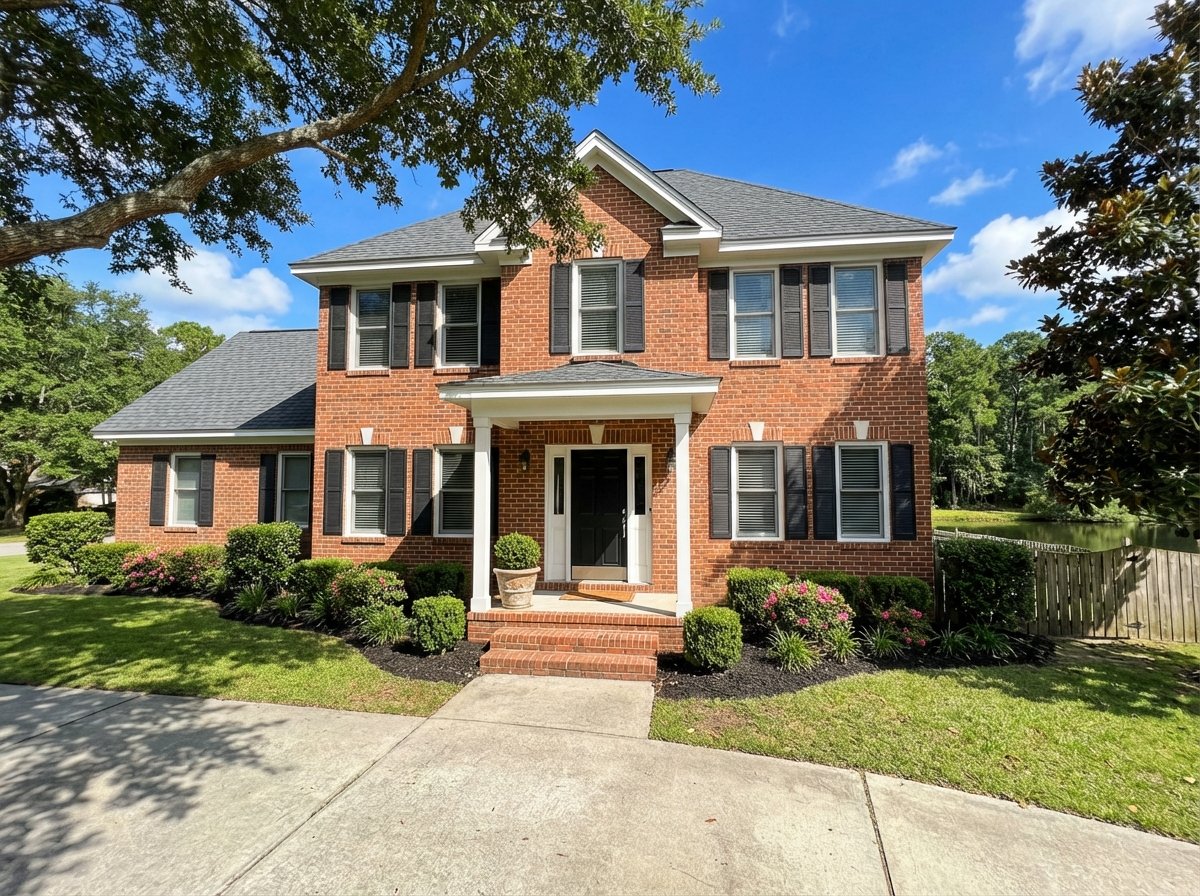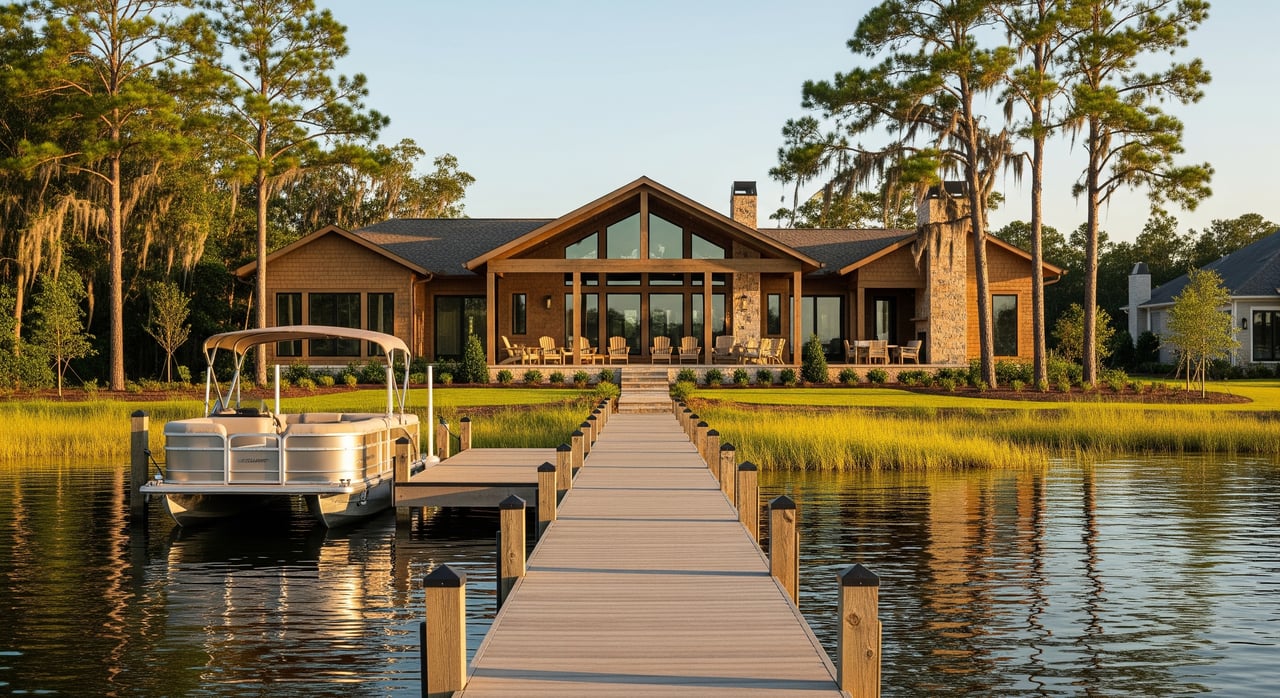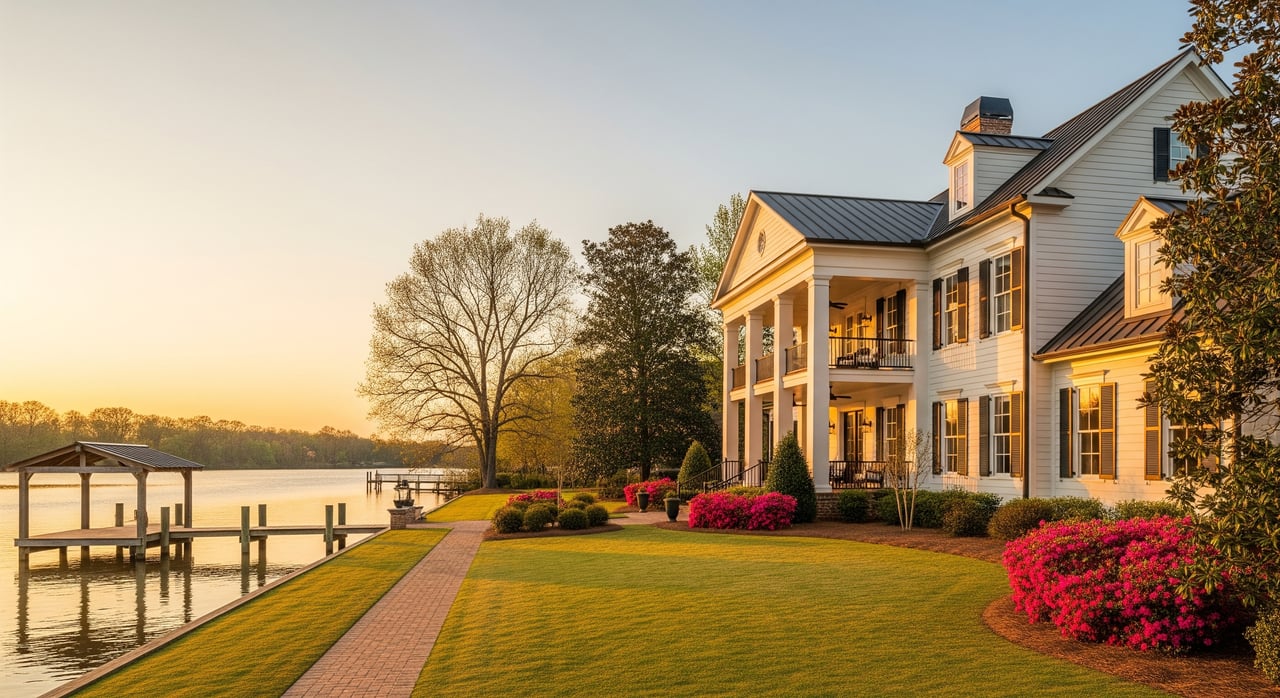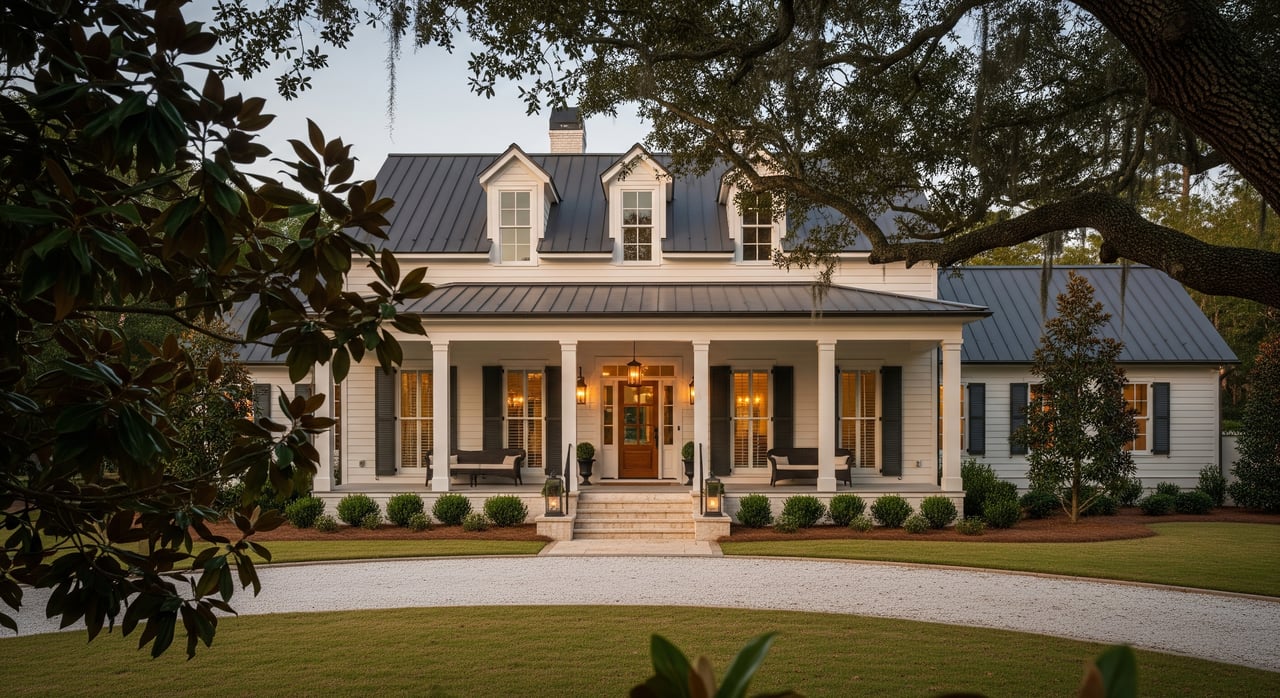
What if you could pinpoint the few factors that actually move prices in Canebrake? When you understand how buyers compare amenities, lots, inventory, and nearby new builds, you can make smarter offers or list with confidence. Whether you are buying or selling, you deserve clear, local guidance that cuts through the noise. This guide breaks down the pricing drivers that matter most in Canebrake and shows you how to evaluate them like a pro. Let’s dive in.
The value formula in Canebrake
Home prices in Canebrake reflect a simple idea: value equals demand for the lifestyle plus the scarcity and quality of available homes. In practice, that means four core drivers tend to set the bar: neighborhood amenities, current inventory, lot characteristics, and the influence of nearby new construction.
Mortgage rates, local jobs, and financing also shape how high buyers can bid. Transaction details like days on market and appraisal outcomes then fine tune the final sale price. Keep this model in mind as you compare homes.
Amenities that move the needle
Amenities determine who wants to live in a neighborhood and why. In Canebrake, convenience and community features are a big part of the appeal.
Commutes and access
Buyers often compare drive times to downtown Hattiesburg, the University of Southern Mississippi, major employers, and corridors like I‑59 and US‑49. Shorter, simpler commutes can increase demand for specific streets or sections. When you tour homes, note your peak-hour drive time to your top destinations, not just the distance.
Parks, recreation, and daily errands
Nearby recreation, walking routes, and access to grocery, medical services, and dining add day-to-day value. Homes closer to these conveniences often see stronger showing activity and quicker offers, especially for households that run a lot of weekly errands.
Schools context
For many buyers, school performance is a key planning factor. Use neutral, factual sources to research current data and any boundary updates. You can review statewide results through the Mississippi Department of Education school performance resources and confirm local attendance zones for specific addresses. Keep in mind that school ratings can change over time, so always confirm the latest information.
Inventory and market supply
Supply conditions set the tone. When active listings are low relative to the number of buyers, homes tend to sell faster and closer to list price. When more homes hit the market, buyers have leverage to negotiate.
Here is how to read the tea leaves:
- Months of inventory: Measures how long it would take to sell current listings at the recent pace of sales. Fewer months typically indicate a seller-favored market.
- Days on market: Shortening days on market signals strong demand. Lengthening days can indicate pricing pushback or rising competition.
- Price tiers: Entry, mid, and premium segments can behave differently. A surge of listings in one tier can pressure pricing there even if other tiers stay tight.
- New vs. resale mix: If a notable share of active listings are new builds, resale homes in the same price band may need sharper pricing or updates to compete.
If you are selling, watch your micro-segment. If your price band has growing inventory, the best strategy is to lead on condition and pricing rather than chase the market later.
Lot characteristics and micro-site differences
In Canebrake, the lot often accounts for a meaningful part of value. Two similar homes can sell very differently based on land.
Lot size and usable space
Larger lots, wider frontages, and deeper backyards can command premiums, especially when the space is usable. Flat or gently sloped yards are easier to enjoy. If you are comparing homes, consider how much of the lot you can actually use for play, pets, gardening, or future projects.
Flood risk, drainage, and elevation
Location within a floodplain affects insurability, mortgage underwriting, and long-term costs. Before you fall in love with a home, check its status on the FEMA Flood Map Service Center. Also look for signs of drainage challenges, such as soft spots or standing water after rain. Homes outside special flood hazard zones typically appeal to a wider buyer pool because coverage requirements and carrying costs can be simpler.
Privacy, orientation, and natural features
Mature trees, natural buffers, and thoughtful orientation can increase comfort and curb appeal. Homes with private-feeling backyards or established landscaping tend to photograph better and draw more in-person interest. Orientation to the sun and the way outdoor areas connect to living spaces also contribute to perceived value.
Utilities and site constraints
Easements, septic versus sewer, and soil conditions can affect future additions or outdoor projects. If you are planning improvements, verify these details early. County parcel data and permits are good places to start when researching constraints and history.
Nearby new construction and its pricing ripple
New construction can push and pull on resale pricing in noticeable ways.
- Feature expectations: New builds often reset buyer expectations around open layouts, storage, energy efficiency, and smart-home features. Resale homes without comparable updates may face price resistance unless they are priced with that in mind.
- Supply impact: A wave of new homes in the same price range increases choices for buyers. That competition can soften resale pricing if both are targeting the same segment.
- Neighborhood lift: Infrastructure and streetscape upgrades that come with new subdivisions can support area values. Over time, new retail or services that follow growth can enhance convenience for nearby homeowners.
If you are listing, review the feature set of active new homes that a buyer might tour the same day as your home. Align condition, pricing, and incentives accordingly.
Transaction and appraisal realities
Even in a strong market, deals hinge on comps and financing.
- Comparable sales: Appraisers and buyers look at recent closed sales with similar size, age, and features. The closer the comps, the tighter the price range will be.
- Concessions and repairs: Seller credits, rate buydowns, and inspection repairs can bridge gaps. Track the total net to compare offers apples to apples.
- Appraisal gaps: New construction can appraise differently than older homes, and unique lots can challenge standard models. Be ready to present clear comparable evidence and feature summaries to support value.
How to compare homes in Canebrake like a pro
Use a simple, repeatable method:
- Define your boundary. Use the recognized neighborhood lines to keep comparisons consistent.
- Pull recent sales. Focus on the last 6 to 12 months for homes similar in size, age, and condition.
- Sort by lot. Group sales by lot size and key traits like privacy, views, or flood status.
- Adjust for features. Note differences in kitchens, baths, garages, porches, and energy upgrades.
- Weigh inventory. Check how many similar homes are active today and how long they have been on the market.
- Cross-check new builds. Compare floor plans, finishes, and builder incentives to see how they influence buyer decisions.
- Validate with public data. Use county records for lot size and permits, FEMA for flood status, and planning documents for any nearby projects.
For public context, you can reference the U.S. Census American Community Survey for household trends and the Bureau of Labor Statistics for employment indicators that shape overall demand.
Buyer playbook
Use this checklist to spot value and avoid surprises.
- Confirm flood status on the FEMA Flood Map Service Center and ask for any elevation certificates on file.
- Measure drive times to your most important destinations during peak hours.
- Compare usable yard space, not just lot size, and look for drainage clues after rain.
- Price against both resale and new construction in your target band.
- Budget for near-term updates if you are competing with new builds on features.
- Ask for a seller property disclosure and review any permits on additions or major systems.
Seller playbook
Position your home to stand out and appraise well.
- Lead on condition in your price band. Address the obvious items a buyer will notice in the first five minutes.
- Showcase the lot. Use photos and simple callouts to highlight privacy, trees, and outdoor living potential.
- Benchmark new builds. If nearby, consider a price strategy or incentive that is competitive with builder offerings.
- Document improvements. Provide permits, receipts, and utility histories that support value and efficiency.
- Prep for appraisal. Share a features sheet and your agent’s comps to help the appraiser understand your home’s position.
What to watch in the next 6 to 12 months
Market conditions can change, so keep an eye on the inputs that shape pricing.
- Mortgage rates: Even small shifts can meaningfully change buying power and offer strength.
- Local employment: Stability in education, healthcare, and related services supports steady demand. You can track high-level trends through the Bureau of Labor Statistics.
- Inventory patterns: New listing activity, especially in the same price tier, affects how quickly homes move and how close they sell to list price.
- Policy and permits: Zoning changes and approved subdivisions can influence supply. County and city planning updates will signal what is next.
Your next step
Every home in Canebrake is unique, and small details can change the math. If you want a precise read on value, have a local broker pull matched-pair comps, check flood and permit status, and benchmark active competition. That way, you can move with confidence whether you are making an offer or preparing to list.
If you are ready for a clear, data-backed plan tailored to your goals, connect with Beth Sumrall for a personal strategy session.
FAQs
What affects home prices in Canebrake the most?
- Amenities, current inventory, lot characteristics, and the influence of nearby new construction are the primary drivers, with mortgage rates and local jobs shaping overall demand.
How do I check if a Canebrake home is in a flood zone?
- Use the address search at the FEMA Flood Map Service Center and confirm with any elevation certificates provided by the seller.
Do new builds near Canebrake lower resale prices?
- New construction can increase buyer options and reset feature expectations, which may pressure resale prices in the same price range unless resales are well updated or priced accordingly.
How much does lot size matter for value?
- Larger, more usable lots with privacy features often command premiums compared to similar homes on smaller or less usable sites.
What role do schools play in pricing?
- Many buyers review neutral, public data on school performance, so homes in attendance zones with strong reported outcomes can see higher demand; verify current data with the Mississippi Department of Education.
What data should I review before listing in Canebrake?
- Recent comparable sales, active inventory in your price band, any permits or improvements, flood status, and the feature set offered by nearby new construction help you set a confident list strategy.